
How it works
From first email to coming home.
Nine steps, in the order they happen. Most of them are ours to do rather than yours — but knowing the shape of it makes the first one much easier, which is the only reason this page exists.
You tell us you're interested
A name, a rough time frame, and whichever sites caught your eye — that's the whole of it. There's no application to complete at this stage and nothing is committed. If you have no idea which site you want, say so; most people don't at this point, and narrowing it down is the part we're useful for.
We work out which sites actually fit
This is a conversation, not a form. What caseload does your program need you to see? How long is your rotation? Do you want a city or somewhere small? Are you willing to drive? We'll come back with the sites that genuinely fit rather than the full list, and tell you honestly where the trade-offs are.
Your DCE approves the site
Your program has to approve an international placement, and that is far easier with months in hand than weeks. We'll give your clinical education faculty the site detail they need — caseload, supervision, hours, assessment — and talk to them directly if that helps. Start this conversation early; it is the step most likely to run out of runway.
The paperwork goes both ways
Many programs already have an affiliation agreement with us, covering every clinic we work with. If yours is new to us, or the agreement is due for renewal, we'll work through it with your DCE — and the earlier that starts, the easier it is for everyone. Meanwhile, you'll complete our own enrolment.
We confirm the placement, and help you settle in
Once your placement is confirmed, we help you find somewhere to stay within easy reach of the clinic. We know these towns well and have built up a lot of local relationships over many years, so we'll talk it through with you and point you in the right direction at every step. The place itself is your own arrangement, made directly with whoever you stay with — and for the vast majority of students it turns out to be easy.
Before you go
21 of our 25 sites require Italian workplace safety training, a four-hour general course online plus a twelve-hour healthcare course live, finished before you start. We'll walk you through booking it with our training partner, Phisiovit; the fee, EUR 185 plus 22% VAT (EUR 225.70), is paid to them directly and is not part of the administration fee. Most sites need no visa for US citizens on a stay of 90 days or less, though a couple do — we'll tell you which applies to yours and handle it. Dress code, documents and start date all get confirmed before you book a flight.
You arrive, and someone is there
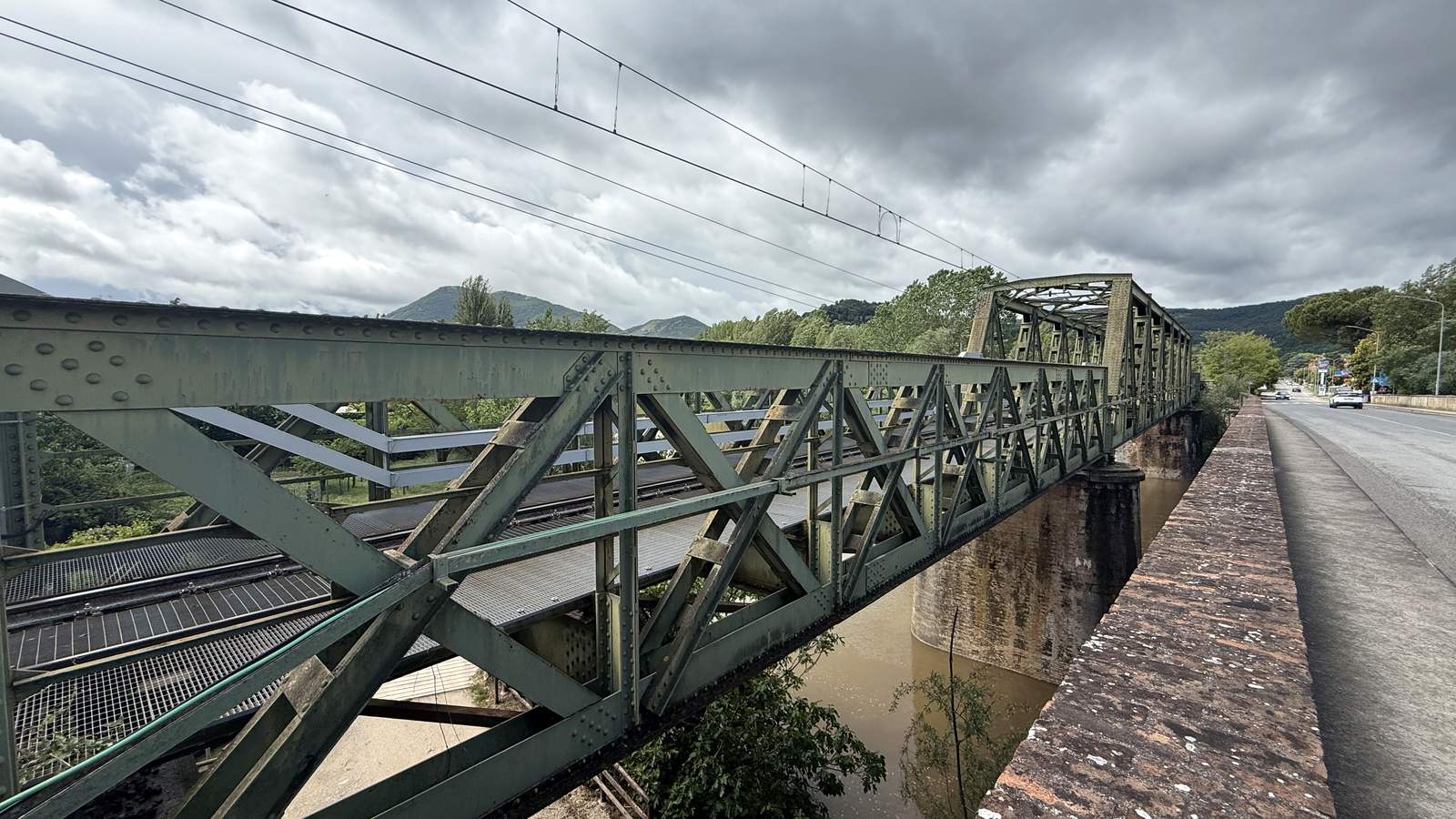
Our Vice President of European Operations and our Senior Director of Student Services are both in Italy, and both are practising physiotherapists. They handle the arrival, the introductions at the clinic, the sim card, the bus route, the things that go wrong. If something happens at 2am in Pistoia, the person answering is twenty minutes away.
The rotation itself
6 to 12 weeks, typically 35–40 hours a week, Monday to Friday. Your clinical instructor speaks English and works with your program’s own assessment instrument — a rating scale, or entrustment against EPAs if your school has moved that way — so what reaches your DCE is in the form they expect. Most weekends are yours, and the trains are good.
You come home
Your completed assessment goes to your program. You keep the rest — sharper hands, a different sense of what a health system can be, and a set of stories that most of your cohort won't have. A fair number of students write something for us on the way back; we'd be glad of yours.
Places available · Fall 2027
Step one takes about a minute.
Applications for 2028 open 1 January 2027. Fall 2027 places are open now and handled directly.